Your Guide to Voting in Oakland & Alameda County
2026 Primary Election Guide
Join us in shaping the future of Oakland by participating in the upcoming primary election. Learn your voting rights, key election dates, what's on the ballot, and how you can get involved to make a difference.

Your Voting Rights
How To Vote
Important Dates
Whats On Your Ballot
Know Your Rights
Voting Rights Information
You have the right to vote by mail or in person. You have the right to language assistance and disability accommodations. You have a right to vote without intimidation.
Make sure you're registered, and your information is up to date.
If you're in line when the polls close, you still have the right to vote.
If you have a past or current conviction, you can still register to vote if:
- If you were incarcerated at a state or federal prison and have finished serving your term.
- You are currently on parole or probation.
- You are currently serving time in a county jail.
Option 1: Vote By Mail
- Fill out your ballot.
- Sign the envelope.
- Mail your ballot by May 26, 2026.
- OR, drop off at a voting center.
Option 2: Vote In Person
- Visit any vote center in Alameda County
- Early Voting Starts May 22, 2026
Option 3: Drop off
- Fill out your ballot at home.
- Sign the envelope.
- Drop your ballot off at a 24-Hour Drop Box.
Important Election Dates
County officials begin mailing ballots May 4
Early Voting Begins: May 23
Ballot Drop off locations open May 5
Last Day to Vote June 2
Polls are open from 7:00 a.m. to 8:00 p.m.
Last Day to Register to Vote May 18
Oakland's Early Vote Centers
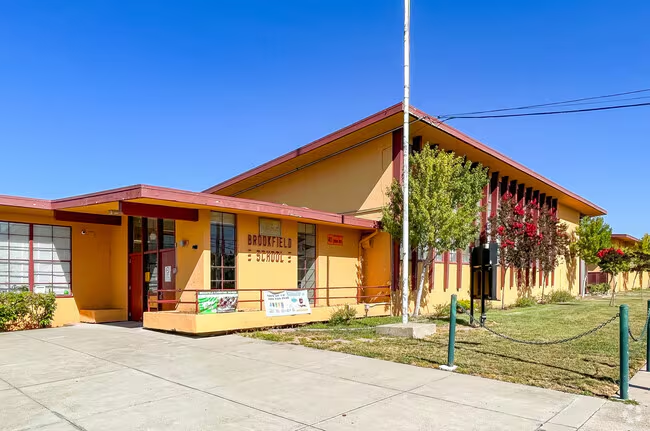
Brookfield Elementary
📍 East Oakland
401 Jones Ave Oakland
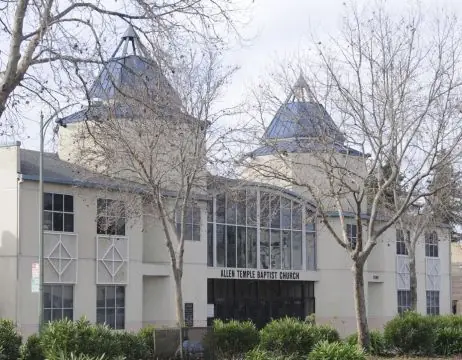
Allen Temple
📍 East Oakland
8501 International Blvd Oakland
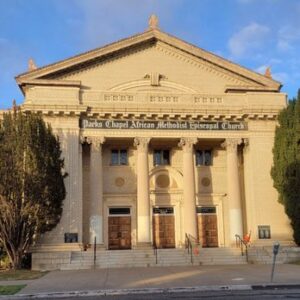
Parks Chapel Ame Church
📍 North Oakland
476 34th St Oakland
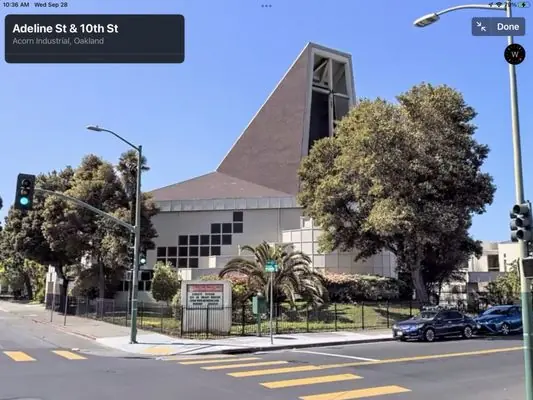
Beth Eden Baptist Church
📍 West Oakland
1183 10th St Oakland

St Columba Catholic Church
📍 North Oakland
6401 San Pablo Ave Oakland

The Non Early Voting Centers will Open 4 Days Before The Election
May 29
Your Ballot Explainer
Whats on the 2026 Primary Ballot?
Oakland's 2026 Primary Ballot
If you are a registered voter in Oakland, click through the drop down to see whats on the June Primary!
Measure E: Oakland's Public Safety, Cleanliness, and Accountability Act of 2026
Measure E is a June 2026 ballot measure asking Oakland voters to approve a new parcel tax to fund public safety and city services, officially known as the 2026 Public Safety & Cleanliness Act. This proposed parcel tax would give the city budget the needed funding to operate in the 2025 - 2027 fiscal year.
It proposes a $192 annual tax on single-family homes to generate roughly $34 million annually for nine years to fund police, fire services, and address homelessness. Low-income households and seniors can apply for exemptions from the tax. The proposal also includes mandatory independent audits and a citizen oversight committee.
Measure C: Oakland Business Temporary Tax Relief
Would provide tax relief to businesses that gross under $1 million per year and new companies of any size. The relief would cut business tax bills in 2027.
Measure D: Police and Fire Retirement Board Charter Amendments
Oakland has a special retirement fund for police officers and firefighters that closed to new members in 1976. It’s called “PFRS.” This measure would expand eligibility for the PFRS board and reduce the number of required board meetings.
Alameda's 2026 Primary Ballot
If you are a resident of Alameda County, click through the drop down to see whats on the June Primary!
Alameda County District Attorney (DA)
This June, voters in Alameda County will have the opportunity to elect their District Attorney.
The DA plays a critical role in shaping the local justice system. From deciding which cases to prosecute to setting broader policies that impact public safety, accountability, and fairness across our communities. These decisions affect all of us.
Want to understand what the DA does and why this race matters? Check out our Know Your DA resource page to learn more and make an informed choice this election.
Measure A: Peralta Colleges Parcel Tax Renewal
Measure A would renew an existing parcel tax that currently funds the Peralta Community College District and is set to expire in 2028.
If approved, Measure A would continue the tax at $48 per parcel per year for another nine years, generating about $8 million annually to support local community colleges. This funding helps maintain classes, student services, and campus operations at schools like Laney College and Merritt College.
Why it matters:
This measure determines whether a stable, local funding source continues for community colleges that serve thousands of students across the East Bay.
Alameda Superintendent of Schools
The Superintendent leads the Alameda County Office of Education, supporting school districts with funding oversight, programs, and services for students—especially those with higher needs.
Why it matters: This role shapes educational quality, equity, and resources for thousands of students across the county.
Alameda Superior Court
Judges on the Alameda County Superior Court oversee criminal, civil, family, and juvenile cases, making decisions that interpret and apply the law.
Why it matters: Judges directly impact justice, sentencing, and legal outcomes that affect individuals, families, and community trust in the legal system.
Alameda County Board of Education Trustees (three seats up)
Trustees on the Alameda County Board of Education set policies, approve budgets, and provide oversight for county-level education programs.
Why it matters: They influence how education policy is implemented locally, including support for vulnerable student populations.
Alameda County Sanitary District (Ward 3)
The Alameda County Sanitary District manages wastewater treatment, recycling, and environmental services for parts of the county.
Why it matters: This district protects public health, water quality, and the environment—services people rely on every day, even if they’re less visible.
State Assembly 18th District (Oakland, Alameda) and 14th District (North Oakland, Berkeley, Richmond)
Members of the California State Assembly represent their districts at the state level. They introduce and vote on laws, approve the state budget, and advocate for local needs in Sacramento.
Why it matters:
State Assemblymembers make decisions that directly affect daily life—housing policy, tenant protections, education funding, healthcare access, public safety, and environmental laws. Your vote helps decide who represents your community’s priorities and voices in state government.
Congress House of Representatives, 12th District (Oakland, Berkeley, San Leandro)
The United States House of Representatives is part of Congress. Representatives from each district propose and vote on federal laws, set the national budget, and address issues like healthcare, immigration, climate policy, and economic relief.
Why it matters:
Your representative helps shape national policy and brings federal resources back to the district. Voting in this race influences decisions that go far beyond the local level but still impact your community—from infrastructure funding to civil rights protections.
California's 2026 Primary Ballot
California has open primaries, meaning for nearly all contests, we don’t limit voters’ choices among candidates based on their political party registration. All of the candidates running for a particular office, regardless of what party they belong to, appear on the same ballot. And voters, regardless of what party affiliation they have, choose whomever they want.
The top two voter-getters will then advance to the November general election.
There’s one small twist for county-level races like district attorney and supervisors: If a candidate receives more than 50% of the vote in the primary, they win, and there’s no runoff in November.
Governor
The Governor of California is the state’s chief executive, responsible for proposing the state budget, signing or vetoing laws, overseeing state agencies, and responding to emergencies.
Why it matters: The governor sets the overall direction for California—shaping policies on housing, education, public safety, climate, and more.
Lieutenant Governor
The Lieutenant Governor of California serves as acting governor when needed and sits on influential boards like the University of California Regents and State Lands Commission.
Why it matters: This role has a direct say in higher education and natural resources, and can step into executive power if the governor is unavailable.
Secretary of State
The California Secretary of State oversees elections, voter registration, campaign finance filings, and business registrations.
Why it matters: This office helps ensure elections are fair, accessible, and secure—making it central to the health of our democracy.
Controller
The California State Controller is the state’s chief fiscal officer, managing public funds, auditing government agencies, and tracking state spending.
Why it matters: The controller provides transparency and accountability for how taxpayer dollars are used.
Treasurer
The California State Treasurer manages the state’s investments, bond sales, and financing for infrastructure like schools and housing.
Why it matters: This role influences long-term financial health and funding for major public projects.
Attorney General
The California Attorney General is the state’s top lawyer, enforcing laws, overseeing the Department of Justice, and defending California in court.
Why it matters: The attorney general shapes criminal justice policy, consumer protections, and how state laws are enforced.
Insurance Commissioner
The California Insurance Commissioner regulates the insurance industry, approves rates, and handles consumer complaints about insurers.
Why it matters: This office directly impacts the cost and availability of insurance, especially important for health, housing, and climate-related risks like wildfires.
State Board of Equalization (District 2)
The California State Board of Equalization handles property tax oversight, appeals, and certain tax programs. District 2 represents a large portion of the Bay Area.
Why it matters: Decisions from this board affect property tax fairness and can impact funding for local services like schools and infrastructure.
Join Our Volunteer Team
Be a part of the change you want to see! Let's bring out the Oakland Vote this Primary! Voting is one tool in the toolbox of systems change, and we intend to wield it. Join us! Volunteer at our Joy to the Poll events, door knock with us, or spread the word with your community! However you participate, thank you for getting active.